


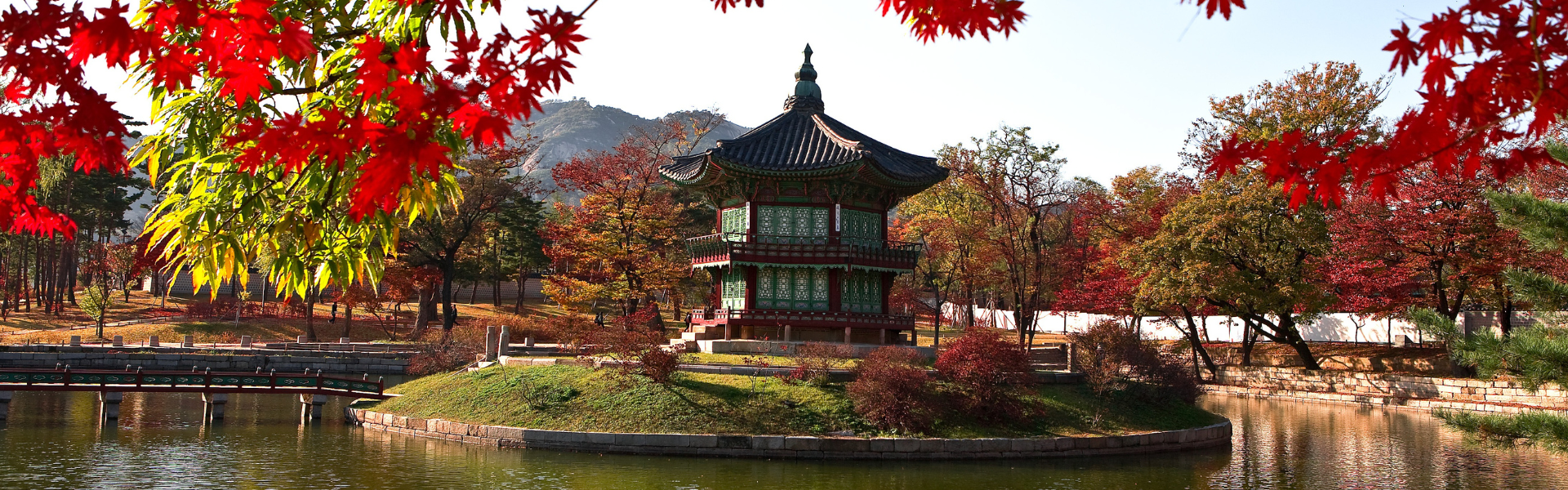
Discover South Korea
Where Timeless Tradition Meets Modern Innovation
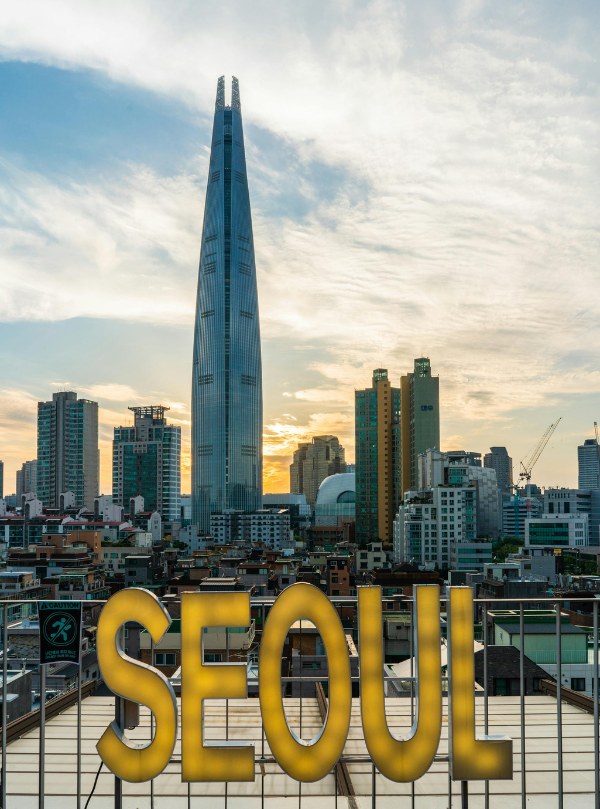
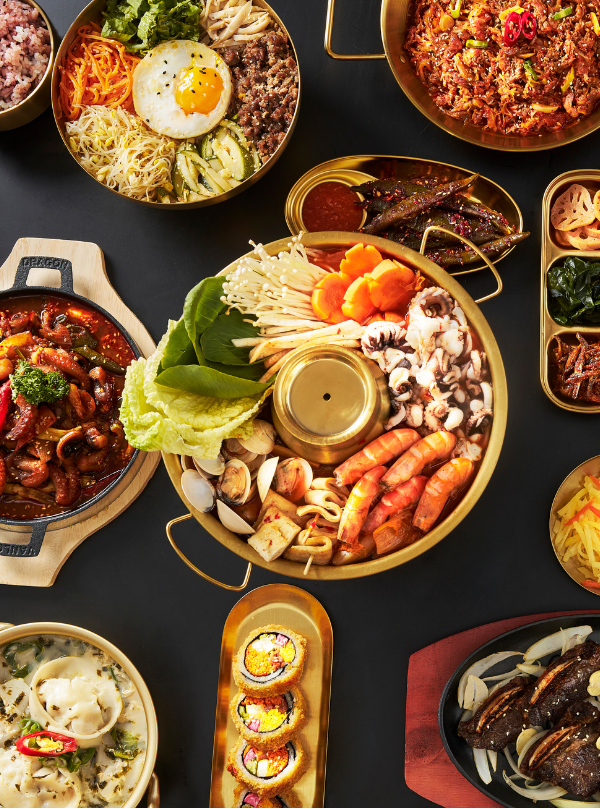
From the buzzing streets of Seoul to serene palaces, mountain temples, and coastal escapes, South Korea is a dynamic destination full of contrast. High-speed internet and skyscrapers coexist with ancient palaces and centuries-old markets. Whether you’re shopping in Myeongdong, hiking in Seoraksan National Park, or savoring authentic Korean BBQ, this country offers something for every traveler.
With efficient public transportation, a vibrant pop culture scene, and a deep respect for its heritage, South Korea is an exciting blend of the old and new, ready to be explored.
📌 Overview |
🏯 A Journey Through Korea’s Rich History
South Korea’s story dates back thousands of years, beginning with the Three Kingdoms period, which included the kingdoms of Goguryeo, Baekje, and Silla. The region flourished under the Joseon Dynasty (1392–1897), which left behind iconic palaces, such as Gyeongbokgung, and deeply rooted cultural values. After the Korean War in the 1950s, South Korea underwent a remarkable transformation, emerging as a global leader in technology, fashion, and culture.
Today, travelers can explore a country that honors its Confucian heritage, celebrates K-pop and esports, and welcomes visitors with warmth and energy.
☀️ Weather & Best Time to Visit
South Korea has four distinct seasons, offering different experiences throughout the year:
- 🌸 Spring (Mar–May): Mild and scenic with blooming cherry blossoms and spring festivals.
- ☀️ Summer (Jun–Aug): Hot and humid, making it ideal for beach trips and enjoying seasonal street food.
- 🍁 Autumn (Sep–Nov): Cool temperatures and vibrant fall foliage—a favorite for hiking and temple visits.
- ❄️ Winter (Dec–Feb): Cold with snow in many regions, perfect for skiing and enjoying hot springs.
💡 Local Tips from Korean Locals
- T-Money Card: Use this prepaid transit card for subways, buses, and taxis.
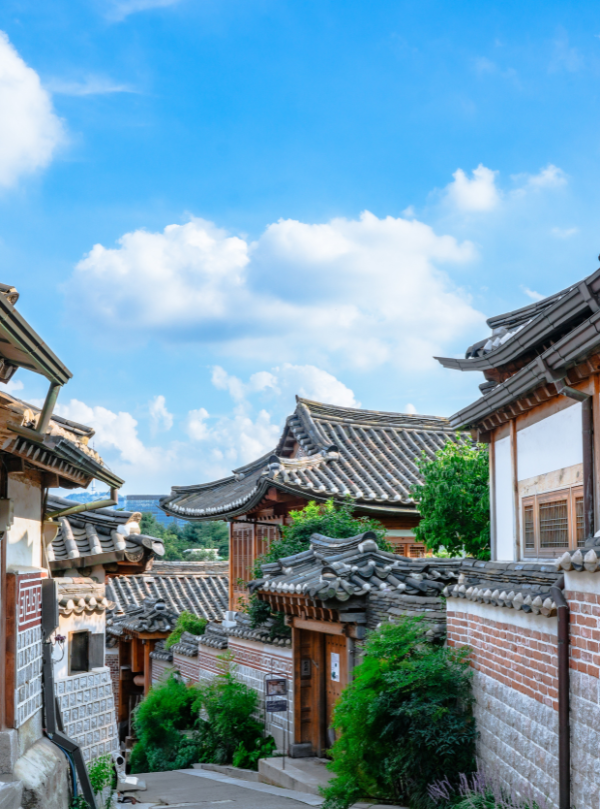
- Walk & Explore: Wander neighborhoods like Insadong (for traditional crafts), Hongdae (for youth culture), and Bukchon Hanok Village (for hanok houses).
- Festivals to Watch:
- Boryeong Mud Festival (Summer)
- Jinju Lantern Festival (Autumn)
- Seollal (Lunar New Year) experiences in winter
- Avoid Peak Transit Times: Rush hour (7–9 AM and 6–8 PM) can be very crowded, especially in Seoul.
🙏 Customs & Etiquette
- Respect Elders: Use polite speech (honorifics) and offer and receive items with both hands.
- Dining Manners: Wait for the eldest to start eating. It’s polite to say “Jal meokkesseumnida” before meals.
- Shoes Off: Remove shoes before entering traditional homes or some restaurants.
- Quiet Courtesy: Keep voices low in public spaces—courtesy and calm are highly valued.
🛡️ Safety Tips for Travelers
- Very Safe: South Korea is generally a safe destination, even at night. Still, remain aware of your belongings in crowded areas like Dongdaemun or Gangnam.
- Emergency Numbers:
- 112 – Police
- 119 – Ambulance / Fire
- Air Quality: Check air quality apps in the spring, especially for yellow dust. Consider wearing a mask on days with high pollution levels.
- Stay Connected: Free public Wi-Fi is available in many areas, but consider renting a portable Wi-Fi device for reliable access.